


Achieving Continuous Garden Bloom
Posted on 18/08/2025
Maintaining a garden that blooms continuously throughout the year is a dream for many gardening enthusiasts. With careful planning and mindful cultivation, you can create a vibrant garden that bursts with color in all seasons. This article explores effective strategies for achieving continuous garden bloom, discussing essential tips, pros and cons, and key takeaways.

Understanding Your Region's Climate
Knowing the climatic conditions of your area is crucial for garden planning. Different regions support different plant species, and what works in one area may not in another. Start by identifying your USDA hardiness zone, which gives you insights into the plants that will thrive in your garden.
Choosing the Right Plants
For a garden that continuously blooms, select a mix of annuals, perennials, and biennials. Each type of plant has unique blooming cycles:
- Annuals: These plants complete their life cycle within one year, providing vibrant blooms for one season.
- Perennials: Perennials bloom year after year, often with minimal maintenance.
- Biennials: These plants have a two-year life cycle, blooming primarily in the second year.
Staggering Bloom Times
One of the best ways to ensure continuous bloom is to choose plants with different flowering seasons. By staggering bloom times, you can have flowers budding in spring, summer, fall, and even winter. Combine early bloomers like tulips and daffodils with summer favorites like roses and petunias, and later bloomers like asters and chrysanthemums.
Soil Preparation and Fertilization
Healthy plants start with healthy soil. Ensure your soil is rich in organic matter and nutrients by adding compost and other soil amendments. Test your soil's pH and adjust it according to the needs of your chosen plants. Regular fertilization with balanced nutrients will keep your plants nourished and robust.
Pruning and Deadheading
Pruning not only shapes plants but also encourages further blooms. Removing spent flowers (deadheading) prevents plants from going to seed and promotes the growth of new buds. Regularly prune and deadhead to maintain a neat appearance and prolong the blooming period.
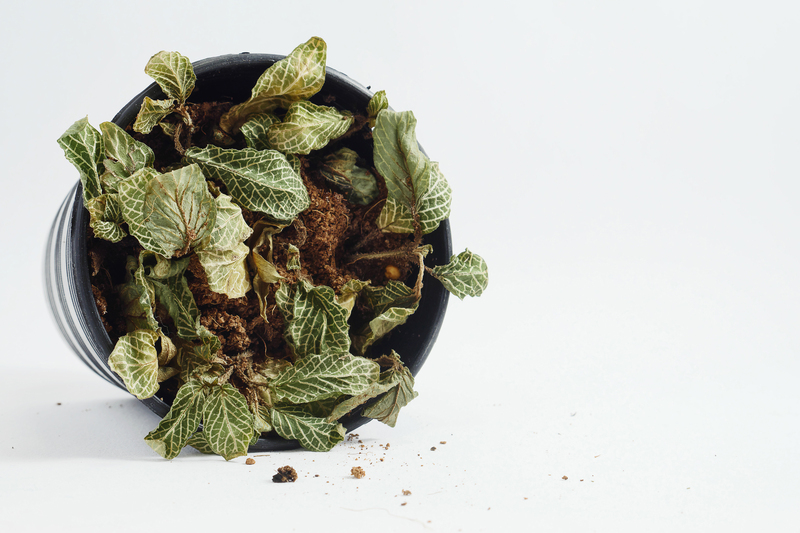
Watering and Mulching
Consistent watering is vital for plant health, especially during dry spells. However, overwatering can lead to root rot. Mulching helps retain soil moisture, suppresses weeds, and provides a slow release of nutrients as it decomposes. Establish a regular watering schedule and apply mulch to support continuous bloom.
Using Companion Planting
Companion planting involves selecting plants that benefit each other when grown together. For example, pairing certain flowers with vegetables can enhance pollination and reduce pest problems. Utilize companion planting to create a flourishing garden environment that supports continuous bloom.
Monitoring Pests and Diseases
Keep an eye out for signs of pests and diseases, which can hinder plant growth and blooming. Regular inspection and early intervention are key to preventing infestations. Use organic pest control methods to protect your garden and ensure the health of your plants.
Pros and Cons of Achieving Continuous Garden Bloom
Pros:
- Increases garden's aesthetic appeal throughout the year.
- Supports biodiversity by attracting various pollinators.
- Offers continuous harvesting opportunities for edible plants.
- Provides a dynamic and interactive gardening experience.
Cons:
- Requires more planning and maintenance compared to seasonal gardens.
- Can be labor-intensive, especially with large gardens.
- May involve higher costs due to the variety of plants needed.
- Risk of plant incompatibility if not planned correctly.
Tips for Achieving Continuous Bloom
- Research plant varieties that thrive in your region.
- Plan your garden layout considering bloom times and plant heights.
- Implement organic gardening practices for healthier plants.
- Maintain proper plant spacing to reduce competition for resources.
- Use garden charts or journals to keep track of planting and blooming schedules.
Takeaways
- A continuous bloom garden enhances visual appeal and supports biodiversity.
- Thorough planning, soil preparation, and regular maintenance are critical.
- Adopt sustainable practices like companion planting and organic pest control.
- Monitor garden health vigilantly to manage pests and diseases effectively.
Conclusion
Achieving a garden that blooms continuously throughout the year is entirely possible with careful planning, appropriate plant selection, and diligent maintenance. By understanding your climate, preparing your soil, staggering bloom times, and utilizing sustainable gardening practices, you can enjoy a vibrant, beautiful garden in every season. Although it requires effort and commitment, the rewards of a continuously blooming garden are well worth it, offering joy, beauty, and an enriched environment.
Latest Posts
Essential Backyard Fruits and Veggies

